Introduction to the Classroom
The classroom has always been the heart of the educational experience. It’s more than just a space with desks and a board—it’s a hub for interaction, creativity, and growth. Over time, classrooms have evolved from rigid, teacher-centered spaces to dynamic environments that encourage collaboration and student engagement.
Modern class rooms aim to create an atmosphere that nurtures curiosity and learning. The arrangement of furniture, use of technology, and overall ambiance all contribute to how effectively students absorb knowledge. Understanding the importance of class room design helps educators foster both academic and social growth in students.
Moreover, class rooms reflect the culture and priorities of an educational institution. A well-organized classroom signals structure and discipline, while a creatively designed one encourages exploration and innovation. The evolution of classrooms mirrors the evolution of teaching methods and educational goals worldwide.
The Importance of Classroom Design
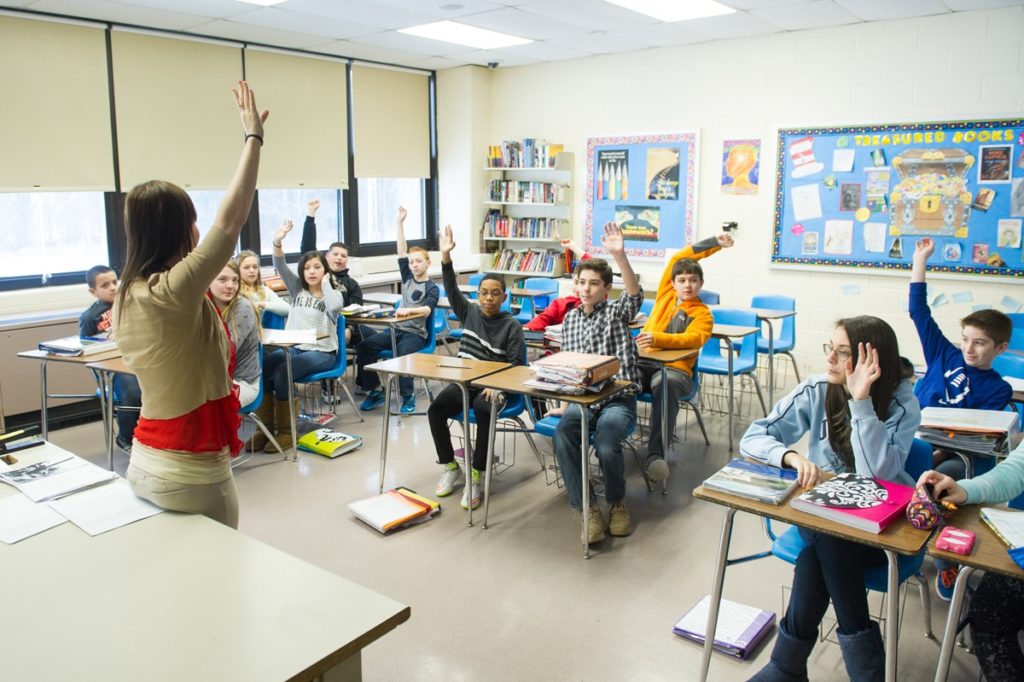
Classroom design significantly affects learning outcomes. Research shows that students perform better in environments that are bright, airy, and visually stimulating. Natural lighting, comfortable seating, and organized spaces reduce distractions and improve concentration.
Flexible seating arrangements allow students to engage in group activities, discussions, and collaborative projects. This adaptability encourages participation and critical thinking, skills that are essential in the modern world. Teachers also benefit, as they can adjust the space to suit different teaching strategies.
In addition to functionality, aesthetics play a crucial role. A visually appealing classroom can inspire students and boost their mood, making them more receptive to learning. Design elements such as color schemes, wall decorations, and learning corners contribute to a positive educational environment.
Traditional vs. Modern Classrooms
Traditional classrooms often featured rows of desks facing the teacher, emphasizing a lecture-based learning approach. While this setup works for some teaching styles, it often limits student interaction and creativity.
Modern class rooms prioritize flexibility and engagement. Movable furniture, interactive whiteboards, and digital tools encourage collaboration. Students can work in groups, engage in hands-on activities, and learn through discovery rather than passive listening.
The shift from traditional to modern class rooms represents a broader change in education—focusing on student-centered learning, personalized instruction, and skill development rather than rote memorization.
Classroom Technology Integration
Technology has become an integral part of the modern classroom. Smartboards, projectors, tablets, and educational software enhance learning experiences by making lessons interactive and accessible.
Digital platforms allow students to collaborate online, access resources anytime, and learn at their own pace. Teachers can track progress, provide instant feedback, and adapt lessons to meet individual needs.
However, integrating technology requires careful planning. Overreliance on gadgets can be distracting, so balancing traditional teaching methods with tech tools ensures students gain both digital literacy and core knowledge.
Classroom Management Strategies
Effective classroom management is key to creating a productive learning environment. Establishing clear rules, routines, and expectations helps maintain order and respect among students.
Positive reinforcement, interactive activities, and student involvement in decision-making foster responsibility and motivation. Teachers who combine consistency with empathy tend to manage class rooms more effectively.
Additionally, addressing conflicts promptly and fairly creates a safe and supportive atmosphere. When students feel respected and understood, they are more likely to participate actively and focus on learning.
Collaborative Learning in Classrooms
Collaborative learning encourages students to work together, share ideas, and solve problems collectively. Group projects, peer review, and discussion sessions are examples of collaborative activities.
This approach develops critical thinking, communication skills, and teamwork. Students learn to respect diverse perspectives and adapt to different working styles.
Teachers play a facilitative role, guiding discussions and providing resources while allowing students to take ownership of their learning. Collaborative classrooms prepare students for real-world scenarios where cooperation is essential.
Classroom Seating Arrangements
Seating arrangements impact student engagement and interaction. Traditional rows are ideal for lectures but limit discussion. Circular or U-shaped setups encourage dialogue and participation.
Flexible seating, such as movable chairs and tables, allows for easy adaptation to various activities. Students can form small groups, conduct experiments, or work independently based on the lesson plan.
Comfortable seating also affects focus. Ergonomic chairs and adequate space reduce physical strain, enabling students to concentrate longer and perform better academically.
Creating a Positive Classroom Atmosphere
A positive classroom atmosphere fosters motivation, creativity, and emotional well-being. Teachers can create this by showing empathy, celebrating achievements, and promoting inclusivity.
Decorations, bulletin boards, and student work displays contribute to a welcoming environment. Bright colors, inspirational quotes, and organized learning materials make the class room feel inviting and inspiring.
Encouraging open communication ensures students feel safe to express ideas and ask questions. A supportive atmosphere nurtures both academic and social development.
Classroom Learning Resources
Learning resources go beyond textbooks. Visual aids, models, interactive tools, and digital content enrich the educational experience.
Access to a variety of resources caters to different learning styles—visual, auditory, and kinesthetic. Hands-on experiments, multimedia presentations, and online simulations make lessons engaging and memorable.
Teachers who diversify resources can maintain student interest, clarify complex concepts, and foster independent learning skills that extend beyond the class room.
The Role of Teachers in Classrooms
Teachers are the backbone of any classroom. Their expertise, passion, and approach directly influence student engagement and success.
Effective teachers create lessons that are interactive, inclusive, and adaptable. They inspire curiosity, challenge students intellectually, and provide guidance when needed.
Beyond academics, teachers act as mentors, supporting students’ emotional and social growth. A strong teacher-student relationship encourages trust, respect, and a lifelong love of learning.
Classroom Assessment Techniques
Assessments help track student progress and inform teaching strategies. Traditional exams measure knowledge retention, while modern assessments include projects, presentations, and peer evaluations.
Formative assessments provide ongoing feedback, allowing teachers to address learning gaps promptly. Summative assessments evaluate overall understanding and skill mastery.
Incorporating diverse assessment methods ensures a comprehensive understanding of student abilities. It also reduces stress and fosters a growth-oriented mindset rather than focusing solely on grades.
Classroom Safety and Accessibility
Safety is fundamental in any class room. Adequate lighting, clear pathways, and emergency plans create a secure environment for learning.
Accessibility ensures that all students, including those with disabilities, can participate fully. Adjustable desks, ramps, and assistive technologies support inclusivity and equity in education.
A safe and accessible class room not only protects students physically but also contributes to their confidence and well-being, allowing them to focus on learning without distraction or fear.
The Impact of Classroom Culture
Classroom culture shapes behavior, attitudes, and learning outcomes. A culture of respect, curiosity, and collaboration encourages students to engage actively in lessons.
Teachers influence culture through communication, expectations, and the reinforcement of positive behaviors. Peer interactions also play a significant role in developing a supportive and inclusive atmosphere.
A strong class room culture fosters lifelong skills such as empathy, leadership, and problem-solving, preparing students for success both academically and socially.
Outdoor and Alternative Classrooms
Learning doesn’t have to be confined within four walls. Outdoor classrooms and experiential learning spaces provide unique opportunities for exploration and engagement.
Nature-based lessons, field trips, and project-based activities stimulate curiosity and real-world understanding. Students often retain knowledge better when learning is interactive and hands-on.
Alternative classrooms also support different learning styles and break the monotony of traditional setups. This flexibility encourages creativity, critical thinking, and a holistic approach to education.
Conclusion: The Future of Classrooms
The classroom is constantly evolving, reflecting changes in pedagogy, technology, and societal needs. Future class rooms will likely be more interactive, personalized, and tech-driven, focusing on student-centered learning.
Flexible layouts, smart technology, and innovative teaching methods will make learning more engaging and inclusive. Educators will continue to play a pivotal role in guiding students, fostering creativity, and preparing them for a rapidly changing world.
Ultimately, the class room remains a place of growth, discovery, and inspiration. By embracing modern strategies while maintaining core educational values, classrooms will continue to shape the minds and futures of generations to come.
YOU MAY ALSO READ
About the Author